You’ve been seeing the Tata Sierra EV everywhere, on social media, at auto shows, and your neighbour won’t stop talking about it. And you’ve got questions. Real ones. Not the brochure stuff. Good. Let’s cut through the noise fast.
Why Is Everyone Suddenly Talking About the Tata Sierra EV?
The original Tata Sierra was a cult classic. If you grew up in India in the 90s, you remember it. That boxy, iconic SUV had a personality like no other car on the road. Tata killed it. And now it’s back, as a full electric SUV, and that’s a big deal.
But nostalgia alone doesn’t sell cars in 2025. So Tata had to actually build something worth buying. The question is: did they?
The short answer is yes, mostly. But there are things you need to know before you walk into a showroom.
What Is the Tata Sierra EV, Exactly? Quick Overview
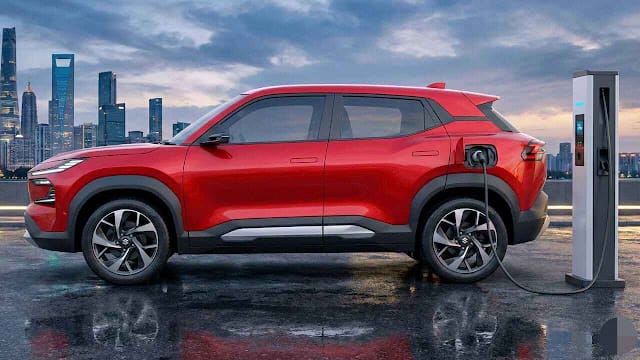
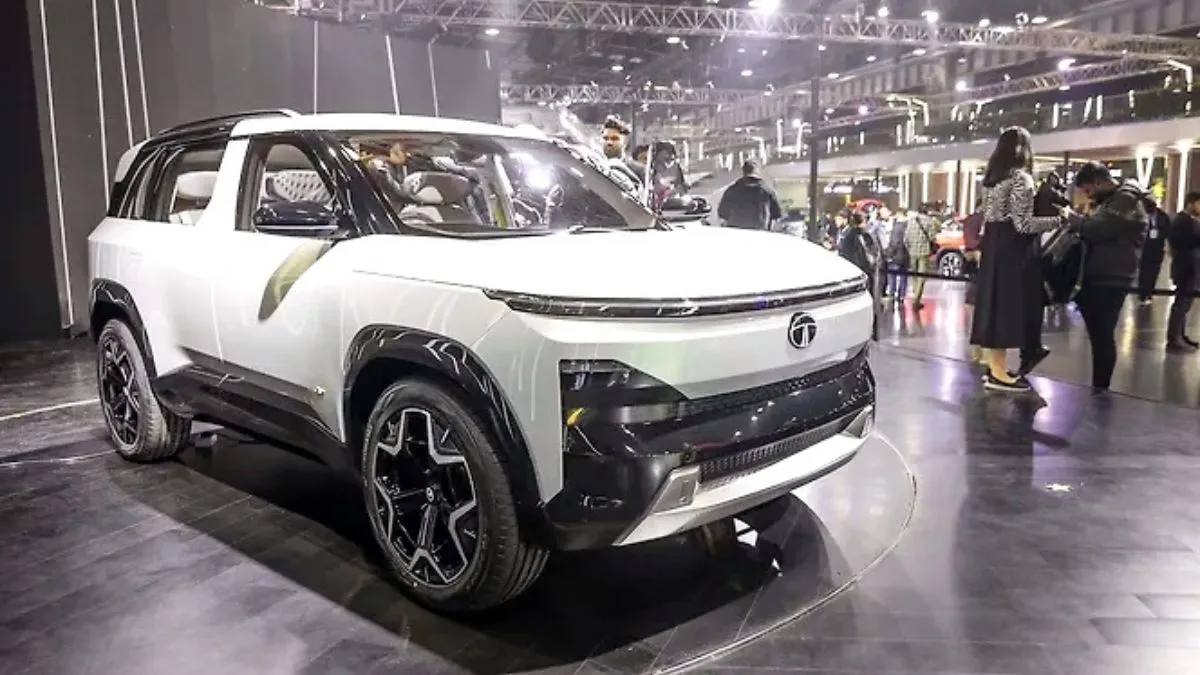
Think of the Tata Sierra EV as Tata’s attempt to bring a premium electric into their lineup, sitting above the Nexon EV and Punch EV in size and price. It’s a 5-door electric SUV with a retro-modern design that keeps the spirit of the original Sierra alive.
It’s not just looks, though. The Sierra EV is built on Tata’s Gen 2 EV platform, the same one under the Curvv EV, which is more advanced than what powers older Tata EVs. That means better range, faster charging, and smarter software.
Try This First: Check If the Sierra EV Fits Your Life
Before you get deep into specs, ask yourself 1 honest question: what’s your daily drive like?
If you drive under 60-70 km a day and have access to home charging, the Sierra EV makes a lot of sense. You’d almost never need a public charger. Most owners charge overnight and wake up to a full battery every single morning. It’s genuinely that simple once you’re in the routine.
This alone convinces about half of the people who were on the fence. Try mapping your daily commute before anything else.
Full Breakdown: 6 Things to Know About the Tata Sierra EV
1. The Range, What You’ll Actually Get
Tata claims around 400-500 km of range depending on the variant. Real-world? Expect 350-420 km in normal driving conditions. Yeah, always a gap, that’s true for every EV on the market, not just this one.
The larger battery variant is the one to go for if you do highway runs regularly. City driving is actually more efficient for EVs, so urban users will be pleasantly surprised.
Did that clear things up? If not, move to the next one.
2. Charging, How Fast, How Easy
The Sierra EV supports DC fast charging. On a 50kW DC charger, you’re looking at roughly 0-80% in about 55-60 minutes. That’s competitive for this segment.
Home charging via a 7.2kW AC wallbox gets you a full charge overnight, around 8-10 hours from near empty. Most people plug in when they get home and unplug in the morning. You stop thinking about it after week 1.
Did that fix it? If not, move to the next one.
3. The Design, Retro Done Right or Wrong?
Okay, this is subjective. But here’s the honest take: Tata nailed the proportions. The boxy roofline, the C-pillar glass, the upright stance, it’s unmistakably Sierra. But modernised. It doesn’t look like a costume. It looks like an evolution.
Inside, it’s a big step up from older Tata interiors. Large touchscreen, clean layout, decent quality materials. It’s not German luxury, but it’s genuinely nice for the price.
Did that answer it? If not, keep going.
4. Features You’ll Actually Use
The Sierra EV comes loaded, panoramic sunroof, ADAS (advanced driver assistance), wireless charging, connected car tech, and an impressive sound system on higher trims. Trust me, the ventilated seats feature catches a lot of people off guard, in the best way possible.
One thing to note: some of the better features are locked to top trims. Make sure you check exactly which variant includes what before signing anything.
5. Price, Is It Worth It?
The Tata Sierra EV is expected to be priced between ₹25-35 lakh (ex-showroom), depending on the variant. That puts it in a competitive but not cheap segment.
Compared to the MG ZS EV or the BYD Atto 3, the Sierra holds its own. And Tata’s service network is genuinely one of the best in India, that matters more than most people realise when you actually need a service centre.
6. What People Are Complaining About
No sugarcoating here. Some owners report that Tata’s software, while improved, can still feel a bit buggy on early builds. Over-the-air updates help, but it’s worth knowing. And the delivery timelines have been patchy, depending on your city.
Also, rear legroom is okay but not exceptional for a car this size. If you regularly carry tall passengers in the back, go sit in it before you commit.
Still Not Sure? Consider These Points
If you’ve gone through everything above and you’re still on the fence, here’s the honest last-resort thinking:
If charging at home isn’t possible for you, any EV is harder to live with. The Sierra EV is no exception. Public charging infrastructure is improving, but it’s not seamless everywhere in India yet.
If you want the absolute best range in this price bracket, compare with the BYD Atto 3 directly. Different strengths, worth a back-to-back test drive.
If the nostalgia factor matters to you, honestly, lean into it. The Sierra nameplate means something, and Tata has respected it. That’s nothing.
Frequently Asked Questions
Is the Tata Sierra EV available now? It was unveiled, and bookings opened in 2025. Deliveries have begun in phases across major cities. Check with your nearest Tata Motors dealership for current availability in your area.
What’s the warranty on the Sierra EV battery? Tata typically offers 8 years / 1.6 lakh km warranty on the battery pack. Confirm the exact terms at the time of purchase, as specifics can vary by variant.
Can the Sierra EV handle highway driving? Yes, comfortably. It holds highway speeds well, and the range is adequate for most inter-city trips with a planned charging stop. The ADAS features also make long drives less tiring.
How does it compare to the Tata Nexon EV? The Sierra EV is bigger, more premium, better featured, and more expensive. The Nexon EV is the practical, value-first choice. The Sierra EV is for people who want more, and can spend more.
Does it have V2L (Vehicle to Load) charging? Higher variants are expected to support V2L, meaning you can power devices or appliances from the car’s battery. Check trim-specific feature lists before buying.
The Bottom Line: Should You Wait?
The Tata Sierra EV is one of the most exciting Indian EVs to land in years, not just because of nostalgia, but because it’s actually a solid product. The sweet spot is the mid-to-top trim with the larger battery. That’s the one most buyers end up happiest with.
If you’re still stuck choosing, drop your situation in the comments, happy to help you think it through.