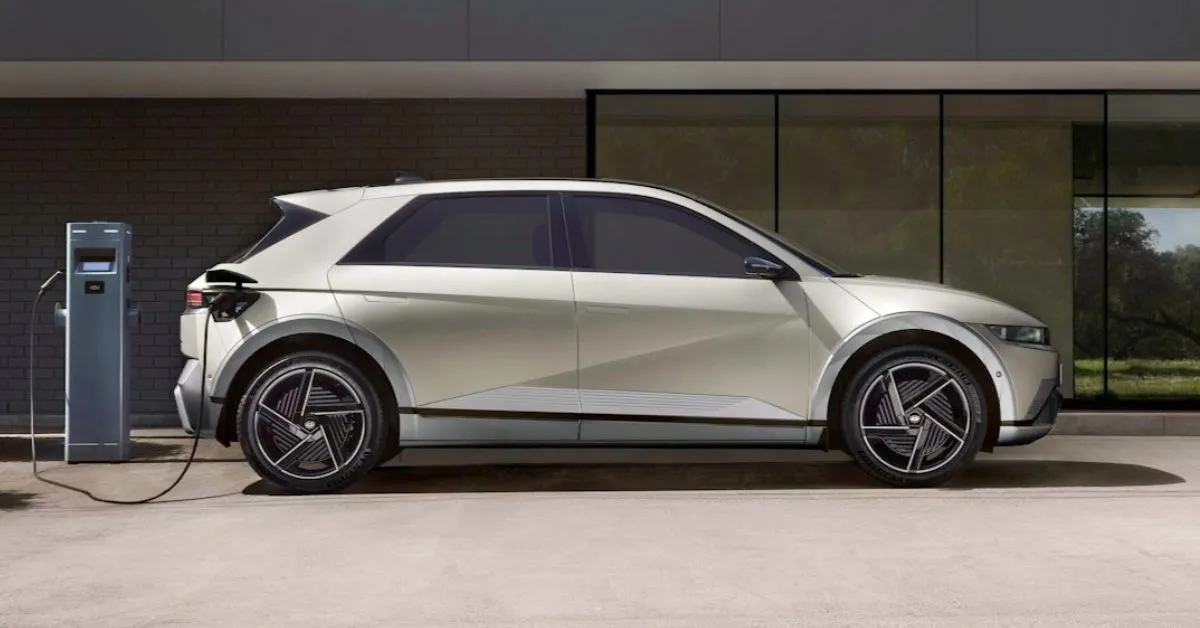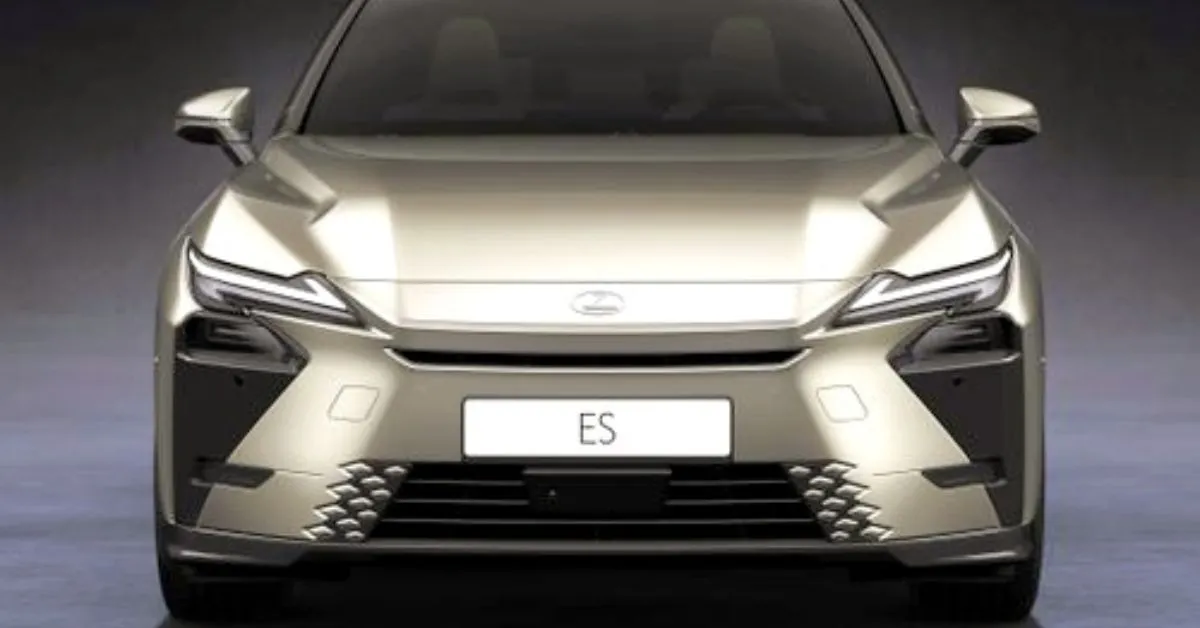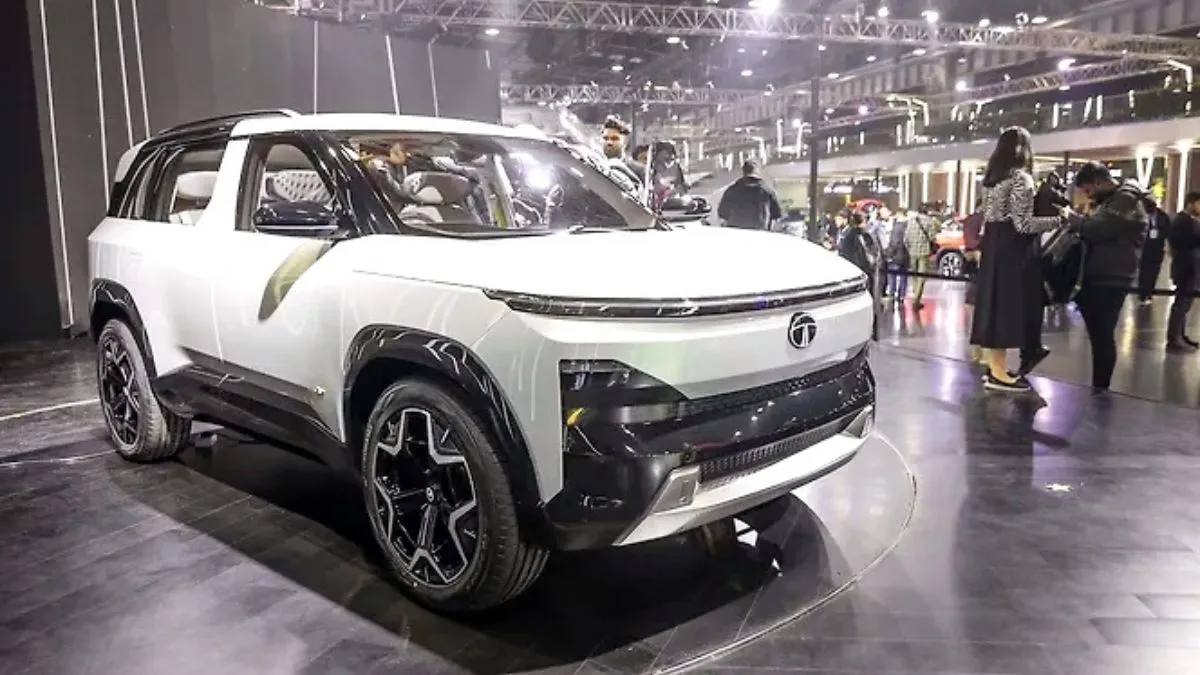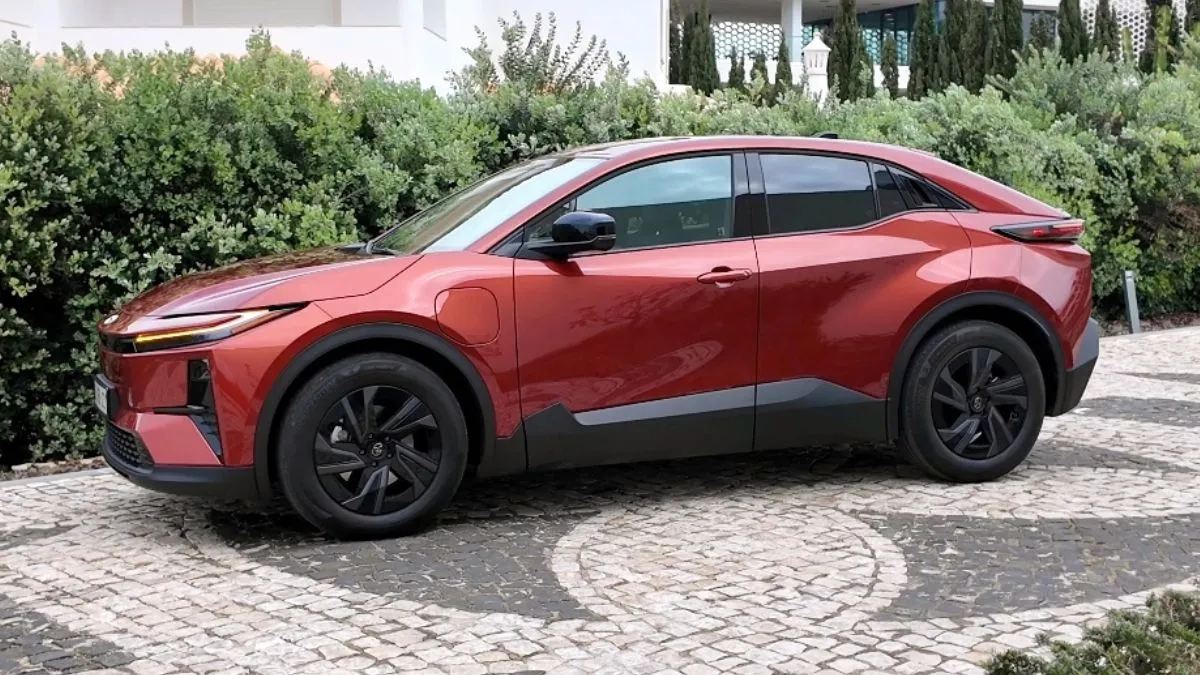
Everyone knows the Toyota C-HR. It’s the sharp, aggressive-looking crossover that made hybrids look cool. But Toyota just dropped a massive curveball: the C-HR Plus. And no, despite the familiar name, this isn’t just a hybrid with a bigger battery slapped onto it. It is a completely different, ground-up, fully electric vehicle.
But in a market flooded with 800V architectures and ultra-fast charging speeds, Toyota is taking a slightly different route. We took the 72kWh version out for a proper real-world range test to answer the only question that matters: Can this thing actually deliver the 500 km range it promises?
The Design: Familiar, But Weirdly Different
Walk up to the C-HR Plus from the front, and you’ll probably think it’s the standard hybrid model. It shares that exact same compact footprint. But walk around to the back, and it’s a totally different story. The rear end is far more angular, featuring a sleek, continuous light bar and a tiny, almost hidden Toyota logo instead of the usual massive badging. It looks great.
But then you pop the hood. In an era where EVs are giving us massive front trunks frunks to store charging cables, the C-HR Plus gives you. nothing. There’s empty space under there, heavily dampened for sound, but no actual storage tub. You’ll have to wait for aftermarket companies to build a custom frunk for this one, which feels like a missed opportunity by Toyota.
Inside the Cabin: Quirky but Comfortable
Jumping inside, the first thing you notice is how well Toyota has balanced sustainability with actual comfort. Even the mid-trim fabric seats feel premium, and the animal-free leather on the steering wheel feels durable and soft.
The tech layout, however, has some strange quirks. You get a massive central touchscreen running Apple CarPlay and Android Auto, which works flawlessly. But then you notice the climate controls, they are physical dials literally glued onto the lower half of the touchscreen. We’ve seen Ford do this on the Mach-E, and while it looks a bit odd, it’s actually incredibly practical while driving.
Because it has a slightly longer wheelbase than the standard C-HR, rear legroom is surprisingly good for tall adults. The boot is also highly usable, offering 428 liters of space with a clever multi-level floor system that lets you drop sections down to fit tall luggage vertically.
The Highway Problem: Wind Noise and Top Speed
Out on the road, the suspension is brilliant. Whether you stick with the 18-inch wheels or upgrade to the 20s, the car handles speed bumps effortlessly while staying planted around corners.
However, it’s not flawless. Under 100 km/h, the cabin is dead silent. But the moment you push it past 110 or 120 km/h on the highway, wind noise becomes an issue. Despite having laminated front windows, it gets surprisingly loud inside. Add to that a top speed limited to just 140 km/h, and Autobahn regulars might find themselves a bit frustrated.
The Truth About Range and Charging
Let’s talk about the real reason you are here. Toyota’s fast-charging speeds on the C-HR Plus are, to be brutally honest, underwhelming. It peaks at 150 kW, meaning a 10% to 80% charge takes about 28 minutes. If you are in a rush at a public charger, you are going to feel that wait.
But here is the twist: you might not need to charge it that often. Toyota has heavily prioritized efficiency over raw power. We took the 72kWh Front-Wheel Drive model out for a top-tier range test, and the numbers speak for themselves.
Cruising steadily at 100 km/h 60 mph, the car consumed a shockingly low 14.5 kWh/100 km. Do the math, and that translates to a real-world range of exactly 500 kilometers 300 miles.
Even when we pushed it to 120 km/h 70 mph, consumption only climbed to 18 kWh/100 km, leaving you with a highly respectable 400 kilometers 250 miles of highway range. For a car carrying a 72kWh battery, those efficiency numbers are top-tier.
So, Is It Worth Your Money?
The Toyota C-HR Plus starts around €42,000, climbing to roughly €46,000 for the big battery variant we tested.
If your life revolves around blasting down highways at high speeds and relying on ultra-fast public chargers, the 140 km/h limit and 150 kW charging speed will annoy you. But if you want a striking, comfortable, and highly reliable daily driver that genuinely extracts every single kilometer out of its battery, the C-HR Plus is one of the most efficient electric crossovers you can buy right now.